Socket faceplates
New covers are chosen to match your existing fittings, with mounting holes that line up with the wall box.
Sockets take daily wear: plugs go in and out, contacts loosen, covers crack. When a socket sparks, heats up or wobbles, it is time to look at it before it turns into a bigger problem.
Rexowa handles socket replacement, loose contact fixes and basic electrical checks as part of handyman visits. Read about lighting fixes and fixture fitting or keep on here to see how socket work is done.
Every job is described in general terms, because homes differ. Details of your task are agreed on request.
An aged socket with cracked cover or worn springs is removed, the wiring is inspected, and a new unit is fitted and tested. This covers standard wall sockets and single-gang replacements.
When a plug sits loosely or the socket feels warm, terminals inside are checked and tightened or replaced. The faceplate goes back only after the connection holds firm.
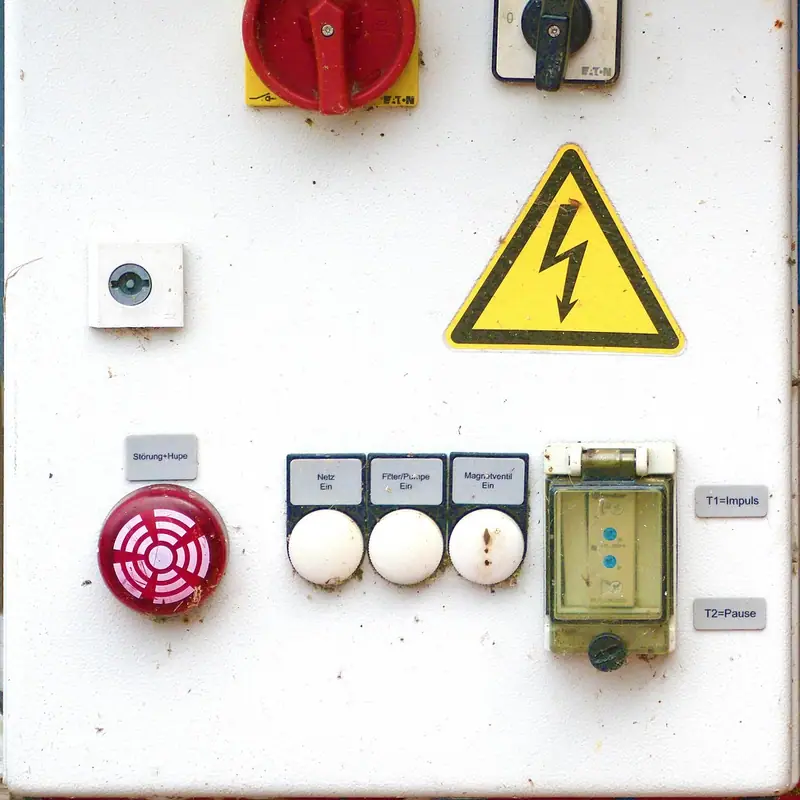
The distribution board is looked over: breaker labels, tripping behaviour and visible condition of the panel. If something needs a licensed specialist, you get a clear note about it.
You describe the problem, a visit is arranged, and the work area is prepared before anything is touched. Power to the circuit is switched off at the board while sockets are opened. After the fix, everything is switched back and checked with the device you use daily.
Curious how this fits with general odd jobs? See the overview on the home page.
Good socket work relies on simple, quality parts: tight terminals, proper faceplates and correct breaker ratings for the circuit.
New covers are chosen to match your existing fittings, with mounting holes that line up with the wall box.
Clamps and screws are checked for grip; worn parts are replaced rather than overtightened.
Ratings and labels at the board are compared with the circuits they protect, so nothing is left ambiguous.
General questions, answered without jargon.
Warmth usually means a loose or worn contact inside the unit. The plug and the socket terminals are inspected, and parts are tightened or replaced. A warm socket should not be ignored.
A single straightforward replacement is normally a short job within one visit. Exact timing depends on the wall type and the state of the wiring, and is confirmed before work starts.
Yes, as a basic check. The board, labels and the affected circuit are examined to find obvious causes. If the fault points beyond simple handyman work, you are told clearly what needs a licensed electrician.
It can go either way. You can provide your own units, or suitable parts are brought along once the type and finish are agreed in your request.
Send a short description of the problem and your address area. If you also care about open communication, read our accessibility statement to see how we keep this site usable for everyone.
Send a request